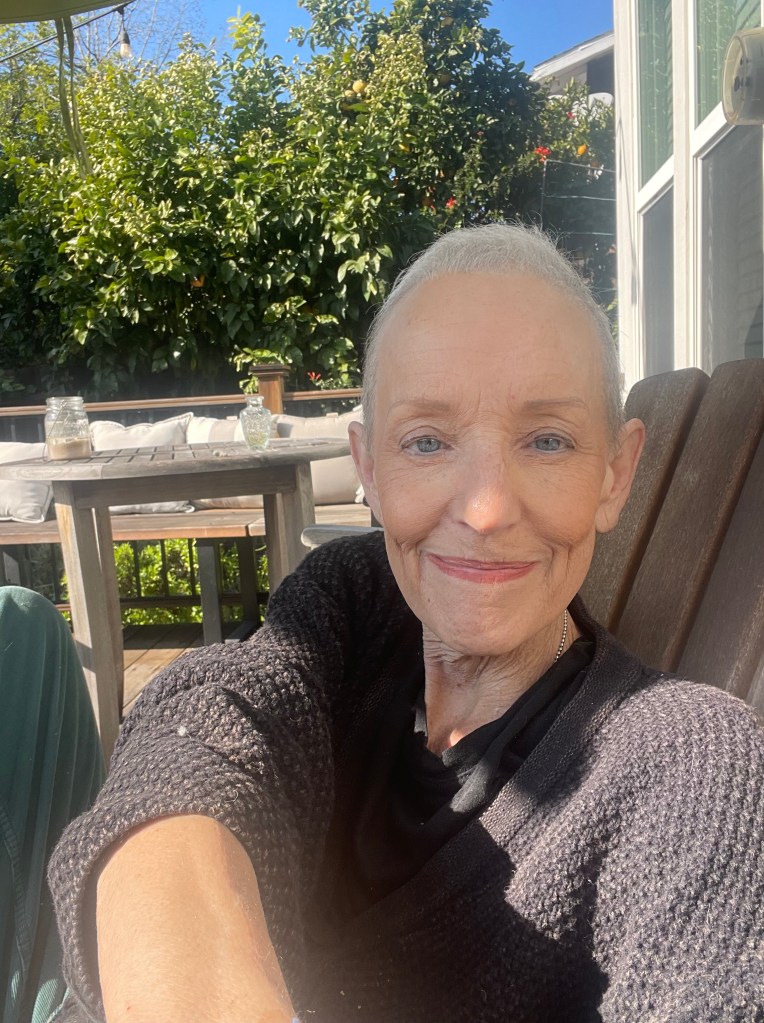
This past year, I experienced one of the most profound losses of my life—I lost my best friend, Bess Marshall, to pancreatic cancer.
Walking alongside her during her final chapter was both a sacred privilege and an emotional challenge. As a physician, I found myself constantly navigating the tension between my clinical instincts and my role as her friend. I had to learn—sometimes painfully—that supporting someone you love doesn’t always mean guiding them toward what you think is best. Sometimes, it simply means sitting with them where they are.
Bess was courageous, fiercely independent, and deeply committed to doing things her way. She endured immense pain in her final year but refused narcotics, relying instead on natural remedies. I remember one afternoon in particular—she was hunched over in agony, sweat beading on her forehead. My instinct screamed for intervention. I wanted to call in reinforcements, to do something, anything to ease her suffering. But all she wanted from me in that moment was presence. A heating pad. Silence. Steadiness. So I stayed.
I watched her persist through grueling treatments—chemotherapy, frequent ascites drainage, constant clinic visits—even when it seemed these measures were offering more burden than benefit. I questioned why she wasn’t offered more home-based care. I wrestled with why no one seemed to say, “It’s okay to let go.” But then I remembered: this was her journey, not mine. And honoring her choices meant holding my tongue and my judgment, even when my heart broke with each passing day.
As physicians, we are trained to fix, to prolong, to preserve. But walking with Bess taught me something profoundly different: sometimes the greatest gift we can offer is to witness—not to save. To hold space—not solutions. To honor autonomy—not agenda.
When she finally transitioned to hospice, she passed away five days later. I was relieved that her suffering had ended, but the grief of her absence lingers. So does the imprint of her story.
Her journey reshaped how I understand leadership in medicine.
We talk often about hope, about fighting disease, about aggressive care. But we don’t always pause to consider how those narratives can bind patients to interventions that steal more time than they give. We mean well—but in our desire to help, we may inadvertently create more pain. We need to lead with courage, yes—but also with humility. With curiosity about what matters most to each individual patient, not just what we think should happen next.
Bess reminded me that the final chapter of life should be written by the patient—not by us. And that honoring a patient’s voice may require us to quiet our own.
As a leader in medicine, I now ask myself:
- Am I offering hope, or am I imposing it?
- Am I centering the patient’s values, or my own discomfort with loss?
- Am I making space for honest conversations about dying, or avoiding them out of fear?
There are no easy answers. But I do know this: I will carry Bess’s story with me into every patient encounter. Her laughter, her grace, her resolve—they live on in the way I listen, the questions I ask, and the silence I am willing to hold.
Because sometimes, walking with someone means staying beside them—not steering the way.
And that, I believe, is the essence of compassionate leadership.
 Finding My Rhythm: Healing, Leading, Becoming
Leave a comment