Why the culture of male-dominated specialties still keeps women on the outside
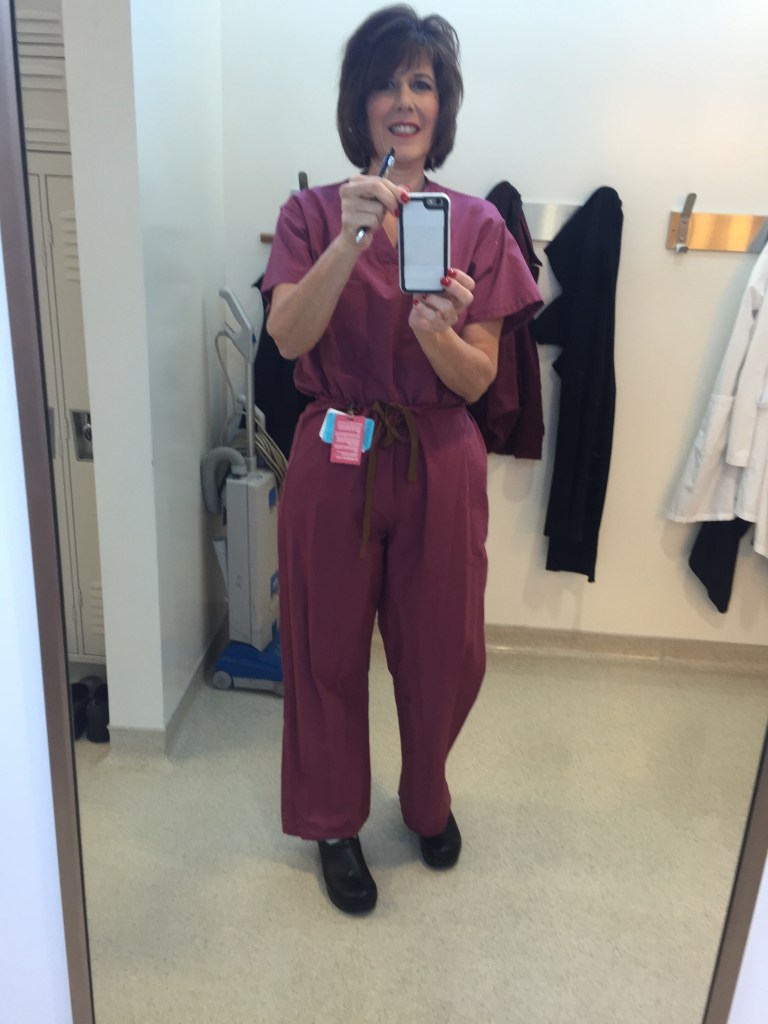
I remember walking into the OR break room during my residency, exhausted from rounds and desperate for a moment to regroup. It was a shared space—nurses and physicians grabbing coffee, heating leftovers in the microwave, trying to catch their breath. On one wall, two doors led to the locker rooms. One was labeled “Physicians.” The other, “Women.”
I stood there, confused. Staring.
Which one was meant for me?
It seems laughable now—such an obvious oversight. But in that moment, it wasn’t funny. It was unsettling. Was I not considered a physician? Or was I not meant to belong here at all? I also wondered: where did the male nurses go? And why had no one thought about how this labeling excluded someone like me?
This wasn’t an intentional slight. But that’s the problem. It was a subtle message—a quiet but persistent reminder that I didn’t quite fit. That I was something “other.” And in medicine, especially in surgical fields like urology, those small messages compound into something far more insidious.
I learned quickly that the locker room wasn’t just a place to change. It was a place of power.
In the “physicians’” locker room—the one I never entered—conversations flowed about the day’s cases, surgical strategy, patient backgrounds. Discussions often spiraled into research ideas, clinical trials, publication plans. Attending surgeons would offer pearls of wisdom. Senior residents shared study materials, answers to anticipated questions, even tactical advice for navigating personalities in the OR.
It wasn’t all academic, though. There were jokes, stories, sports banter. It was bonding. Camaraderie. It was where trust was built and opportunities exchanged.
I was never invited into those conversations. I wasn’t even aware they were happening until much later. No one actively excluded me. They just… didn’t think of me.
It wasn’t just about locker rooms. It was about access. It was about networks. It was about not being part of the boys’ club that quietly, persistently propelled others forward while I stayed in the background, wondering why everything felt harder.
I found out years later that the male residents were helping each other write and publish papers. Each would draft one and list the others as co-authors—tripling their output and boosting their CVs. I wasn’t included. My efforts stood alone, invisible beside theirs.
Then there was the shared file—a running document of the questions our Chair asked on rounds and in the OR, with meticulously curated answers. Everyone had it. Except me. I had spent hours—days—digging through textbooks, memorizing material, preparing for those questions. I thought that was what everyone did. I didn’t realize the game had shortcuts. I just hadn’t been handed the map.
And then came the night I was forgotten altogether.
It was tradition: at the end of each year, one of our attendings would host a dinner at his home for the graduating residents and their partners. I didn’t know about it. I wasn’t invited. It wasn’t until his wife called me—mid-dinner, asking where I was—that I even learned it was happening. I was home, in scrubs, reviewing cases for the next day. I never got the invitation. No one thought to include me.
That night hurt. But more than that—it revealed the truth:
This wasn’t just a rigorous training environment. It was a culture built around exclusion. A culture that confused tradition with favoritism, and camaraderie with entitlement. A culture that elevated some and ignored others—not always out of malice, but out of habit. Out of blindness.
And for those of us already carrying the weight of trauma, of emotional abuse, of internalized unworthiness, this culture is more than just frustrating—it’s retraumatizing.
Because you start to believe it’s you.
That you’re not good enough.
Not fast enough.
Not strong enough.
Not one of them.
But the truth is, you were just never given the same keys. The same shortcuts. The same casual support disguised as locker-room talk.
The culture of medicine—especially in male-dominated specialties—still hasn’t reckoned with this. Still hasn’t made space for different voices, different bodies, different ways of belonging.
And until it does, we need to keep telling these stories.
Not because we want sympathy.
But because we want change.
We want to make sure the next woman doesn’t stand in front of a locker room door wondering where she belongs.
Because she already does.
 Finding My Rhythm: Healing, Leading, Becoming
Leave a comment