It happened on evening rounds.
The attending presented us—three medical students on his service—with a puzzle. A patient scheduled for bladder cancer surgery had noticed a small, mobile nodule under the skin of his abdomen. The attending planned to remove it during the procedure, but he asked us to come back the next morning with our best guess as to what it was.
All of us thought the same thing at first: lipoma. A benign fatty tumor. It was the most logical answer.
But something in me stirred. I combed through the patient’s chart and found a single line buried in the notes—a remote history of melanoma. No follow-up. No recent mention. Just a thread. But I followed it.
That night, I researched melanoma’s patterns of recurrence, the way it could lie dormant for years and reappear as a subcutaneous nodule. The scenario was rare, but I couldn’t shake the feeling. I didn’t sleep much. Something deeper than reasoning was nudging me.
The next morning, we stood in front of the attending, the residents, and the fellows. The other students presented their expected answers—lipoma, epidermoid cyst. Then it was my turn. I hesitated. Then I said, “I believe it’s recurrent melanoma.”
There was a pause, followed by a few chuckles. Not cruel—just skeptical. It was a bold answer. But I stood my ground and explained my reasoning.
He didn’t laugh. He just nodded.
Days later, the pathology report confirmed it. It was melanoma.
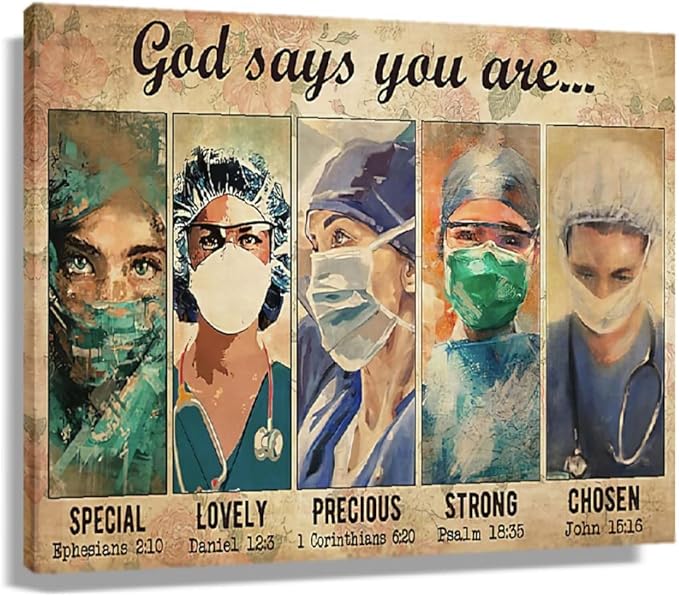
That moment, I now realize, was the beginning of everything. It wasn’t just a lucky guess—it was the first time I felt that this wasn’t just about knowledge or diligence. It was something deeper. A gift. A kind of knowing I couldn’t explain, but I could trust. It felt like a whisper from God.
It also shifted something in the attending. From that point forward, he treated me less like a visiting student and more like someone he might one day train. I think that moment—my willingness to look deeper, trust my instincts, and speak up—was what made him take me seriously.
So many people applied to his program. It was one of the most competitive in the country. But he chose me.
I didn’t know then that the road ahead would test me in ways I couldn’t imagine. That part of the story—the grueling culture of surgical training, and how it shaped me—belongs to the next chapter.
Because getting in was just the beginning. What followed was six years of unrelenting pressure, perfectionism, and silent struggle—a training culture that didn’t just test my skills but reopened old wounds I thought I had buried.
This gift—this calling—should have reassured me. But instead, it fed my insecurities. Emotional abuse had taught me that nothing I did was ever enough. So even when I was right—even when I was chosen—I still felt like I had to keep proving myself. I took on more and more challenges, but each accomplishment brought only fleeting satisfaction. There was always another summit.
The real question was never whether I was good enough.
It was whether I could learn to believe it, even when no one told me so.
 Finding My Rhythm: Healing, Leading, Becoming
Leave a comment