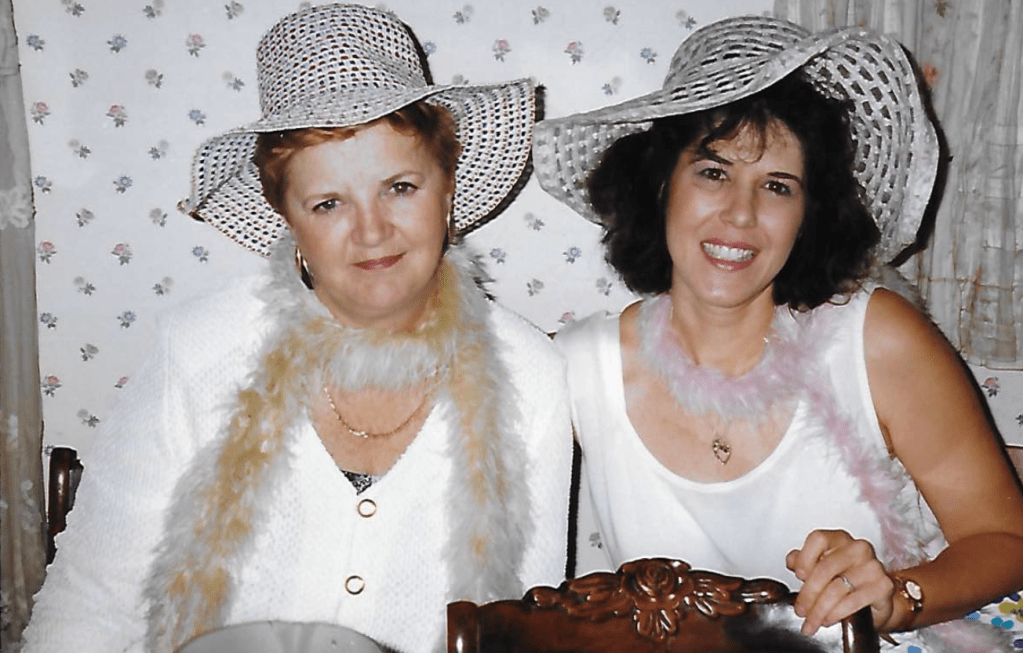
There was a stillness to those afternoons—warm sun spilling through the trees, the gentle splash of water as my daughters played in the pool, and her voice, soft but grounding, carrying across the backyard. In a world that often felt like it was closing in on me, she was the rare, safe space. I didn’t have friends—my world had been whittled down by marriage, motherhood, and the quiet dominance of my in-laws. But she was different.
I met her during one of my bridal showers. She was a close friend of my mother-in-law, always present at church and family events. Over time, we began to talk more. She offered kindness without conditions, presence without judgment. When we moved just a block from her house, it felt like a small piece of grace. I’d walk down with my babies in tow, find peace in her presence. She’d have lemonade, cookies, toys, and open arms. She asked for nothing in return—not loyalty, not performance, not perfection. Just connection.
But nothing escapes notice in a family where control masquerades as closeness.
When my mother-in-law learned how close she and I had become, the air shifted. Subtle at first—dismissive comments, tight smiles—but soon, undeniable. She began pulling away from her, casting doubt, disapproval, disdain. At my daughter’s second birthday, the hostility was palpable. My children ran to her with joy, and I felt the familiar tightening in my chest—the conflict, the confusion. My mother-in-law’s glare was icy, and our friend, once part of her inner circle, was now unwelcome. I had broken an unspoken rule: I had found comfort outside of her grasp.
The anxiety that day was suffocating. I could hardly breathe. I stood at the edge of the celebration, heart pounding, trying to hold joy and fear in the same breath. I didn’t understand why she couldn’t celebrate a friendship that brought her grandchildren laughter and love. But later I would come to know: abusers isolate. Safe spaces threaten their control.
That was the last time they spoke. My mother-in-law severed their decades-long friendship to ensure she and I would be divided. She told me I was never to see her again. My husband—my partner—sided with his parents. He called our friend disloyal. He was angry, though he could never quite explain why. And once again, I was left reeling, gaslighted, grieving, silenced.
But I didn’t let go. Not entirely. I visited her in secret. I brought my children to swim, to laugh, to feel the warmth that I so desperately craved for them—and for me. Eventually, she moved away. Eventually, they won.
But her kindness remains etched in me. She gave me something I didn’t know I needed: a mirror of what healthy connection could look like. She helped me survive the unspoken hostility, the manipulation, the emotional exile. She reminded me that I wasn’t crazy for needing warmth, laughter, belonging.
She was my friend. She believed me. And in a world where emotional abuse thrives on silence and doubt, that was everything.
This is what emotional abuse does—it distorts love, punishes independence, and erases safe people from your life. But even in that erasure, the memory of safety remains. And one day, you realize: the safety you felt wasn’t a fluke. It was real. You deserve it.
 Finding My Rhythm: Healing, Leading, Becoming
Leave a comment